
LT PANEL – (TTA AND PTTA PANEL)- add picture on a single separate page
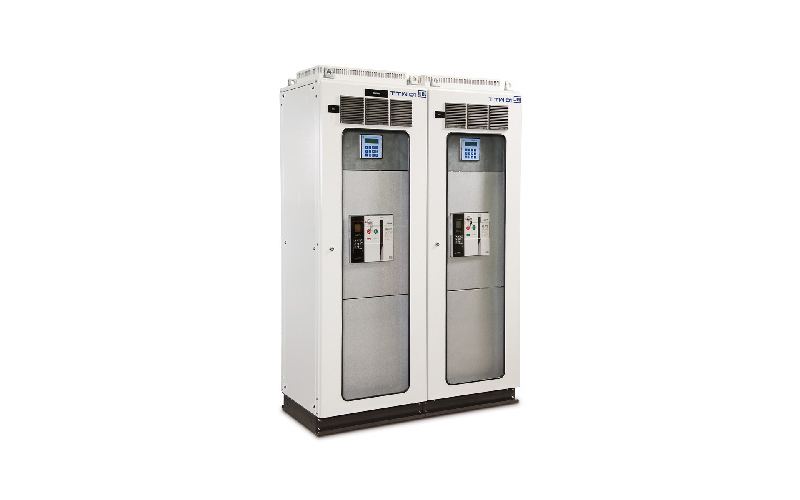
LT panels, specifically TTTA and PTTA types, are low-voltage electrical distribution boards that receive power from a generator or transformer and distribute it to various devices and distribution boards. These panels, engineered for robustness and versatility, are crucial in low-voltage applications.
-
Definition:
LT (Low Tension) panels are low-voltage switchgear systems designed for electrical distribution at voltages below 1kV, typically 415V or 230V.
-
Function:
They manage power in industrial and commercial spaces, ensuring a safe and controlled electricity supply.
-
Source:
LT panels receive power from sources like generators or transformers.
-
Distribution:
They distribute power to various electrical devices, distribution boards, and feeders.
-
Type-Tested Assemblies (TTA):
These are complete assemblies of switchgear, control gear, and protective devices that have undergone rigorous testing for safety and reliability.
-
Partially Type-Tested Assemblies (PTTA):
These are assemblies that have undergone some type testing, but not a full type test.
-
Construction:
Assemblies can be of “fixed” or “withdrawable” construction.
-
IEC 61439:
The IEC 61439 standard defines design-verified assemblies and eliminates the TTA and PTTA categories.
- LT panels are essential for distributing power in low-voltage systems.
- TTA and PTTA panels are specific types of LT panels that have undergone different levels of testing to ensure safety and reliability.
- The IEC 61439 standard provides the framework for designing, constructing, and testing low-voltage switchgear and control panels.